Hi, I’m Candice.

I spent 22 years building a career I am proud of. I’ve managed teams, launched products, navigated budget cuts, and mentored younger colleagues who now held the roles I once did.
Then at 47, a company restructure made my role redundant.
I did what I’ve always done:
I rewrote my CV, updated my LinkedIn, and applied for 74 jobs over six months.
I heard back from eleven.
Was interviewed by four.
Was offered none.
When feedback came, it was polite but vague. “We found someone who was a better cultural fit.” One interviewer even asked if I was “comfortable with fast-paced environments.”
I knew what that question really meant.
This guide is for women out there in a situation like mine. And for every woman who has sent out application after application, sat through interviews feeling quietly judged, or slowly watched herself become invisible in a job market you once thrived in.
So, let’s talk about it.
Index
- Ageism before you’re hired
- Ageism while you’re employed
- Why experience is your strongest asset
- Strategies to assert your value (NEED TO READ)
- Creating opportunities and choosing employers wisely
- Bottom line
- How Self-Care Can Be Part of Your Comeback
Ageism before you’re hired
Age discrimination hits experienced professionals before they even land a job. Applications go unanswered. Interviews feel too polite. And employers often hide bias behind phrases like “We’re looking for someone who can grow with the company long-term.”
For women over 40, this form of workplace bias is very common. Many companies assume older candidates are more expensive, less adaptable, or “overqualified.”
This isn’t about your skills or ambition. It’s systemic ageism, a bias that devalues professional experience in favor of youth.
Ageism while you’re employed
Even if you’re already in a role, age discrimination can quietly shape your career trajectory. Common forms include:
- Exclusion from high-visibility projects.
- Microaggressions like “Keeping up with the younger team” or “Digital tools are challenging, right?”
- Being passed over for promotions in favor of younger colleagues.
For experienced professionals, internal workplace bias can be just as damaging as hiring discrimination.
Somehow, your professional experience is less valued because of your age.
Why experience is your strongest asset
Being an older employee is an advantage. Your years of professional experience make you indispensable:
- You bring problem-solving skills younger colleagues haven’t developed.
- You have institutional knowledge that prevents repeated mistakes.
- Emotional intelligence improves team performance.
Companies that ignore experienced professionals are missing out. Research from Harvard Business Review shows that age-diverse teams outperform homogeneous ones.
Strategies to assert your value (NEED TO READ)
Whether job hunting or growing your career internally, experienced professionals can take steps to counter workplace bias:
1. Quantify everything

Hiring managers spend an average of 7 seconds on an initial CV scan.
- ❌ Managed a sales team
- ✅ Led a team of 9, increasing regional revenue by 34% over 18 months
Every role has a number attached to it. You just have to find it:
- Revenue generated or cost saved
- Headcount managed
- Projects delivered on time
- Processes improved, i.e. cut onboarding from 6 weeks to 3 weeks
2. Close the perceived “tech gap”

Visibly 59% of hiring managers rank adaptability as their #1 hiring criterion above experience and education (LinkedIn Future of Recruiting Report).
- List recent certifications: Google, HubSpot, Coursera, LinkedIn Learning
- Name tools in interviews: “I led our Salesforce rollout for a team of 40”
- One current skill can override years of assumed stagnation
3. Build visibility (inside and outside your organisation)
Employees with strong internal visibility are 2x more likely to be considered for senior roles (Bersin & Associates).
- Volunteer to present at company meetings
- Write a short internal case study on a project you led
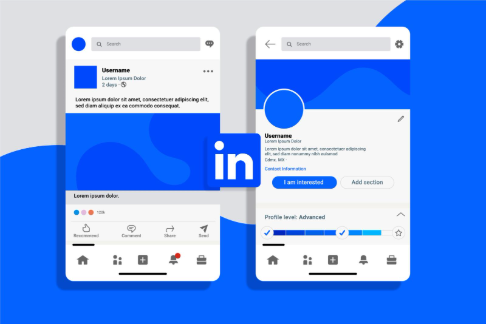
- Post on LinkedIn. Even 2x a month compounds into a reputation that precedes you
4. Network

70–80% of jobs are filled through networking and never reach public job boards.
- Identify 10–15 people who are hiring, adjacent to hiring, or inside target companies
- Ask for a 20-minute call (specific, low-friction, easy to say yes to)
- One warm referral increases your interview chances by up to 9x vs. a cold application
Creating opportunities and choosing employers wisely
Sometimes the best path isn’t fighting bias in traditional roles – it’s seeking workplaces that value experienced professionals.
- Look for companies with age-diverse teams or strong mentorship programs.
- Consider consulting, freelance, or project-based roles where midlife career experience is prized.
- Entrepreneurship or advisory roles can turn your professional expertise into income and authority.
Organizations like AARP advocate for older employees and connect them with age-positive employers, creating real career opportunities.
Staying confident and protecting your mental health
Facing ageism can erode confidence. So, protect your mental wellbeing:
- Remember: bias is systemic, not personal.
- Set boundaries in discussions about promotions or project assignments.
- Lean on supportive networks that value your experience and reinforce your authority as an experienced professional.
Resources like UN Women highlight strategies for resilience and advocacy in biased systems, helping women over 40 thrive.
Bottom line
Ageism affects professionals who both seek jobs and those already employed.
But experience is power.
Women over 40 and experienced professionals shouldn’t conform or apologize for their experience. Instead:
- Recognize bias
- Assert your value (unapologetically)
- Seek opportunities that respect midlife career experience
Because at 47 or 57, your career is still relevant, influential, and full of potential.
How Self-Care Can Be Part of Your Comeback
Looking for work can take a real toll on your energy and confidence. These small rituals helped me stay grounded while navigating it.
1. Invest in yourself: When the job search dragged on, I reminded myself that I was still worth investing in. Treat yourself with the same respect you’d give a role you care about.
2. Prioritize rest and mental clarity: Sleep became very important. I started using Mind Pulse Oil at night to help me wind down and sleep properly. Good sleep made a bigger difference than I expected. Clearer thinking, better focus, and the energy to keep going the next day.
3. Show up feeling like yourself: Every now and then, I booked myself a facial. My favourite? Harmony de Luxe Facial. It always left me feeling refreshed and a little more put together. Not because appearance is everything, but because when you feel good in your own skin, you carry yourself differently. And I like that.